
Journaling is one of the oldest and most effective tools for mental wellness — and modern science is finally catching up to what practitioners have known for centuries. In this guide, we’ll explore how mindfulness journaling works, why it’s so powerful, and the best tools to get started.
Affiliate Disclosure: As an Amazon Associate, HolisticAway earns from qualifying purchases.
The Science Behind Journaling
Expressive writing has been studied extensively since Dr. James Pennebaker’s groundbreaking research in the 1980s. The findings are remarkable: regular journaling strengthens immune cells, reduces anxiety and depression symptoms, improves working memory, and even helps wounds heal faster. When you write about your thoughts and feelings, you engage the prefrontal cortex — the rational, planning part of your brain — which helps regulate the emotional amygdala.
Choosing the Right Journal
The best journal is one you’ll actually use. For beginners, a guided journal removes the “blank page paralysis” that stops many people before they start.

The Five Minute Journal remains our top recommendation. Its morning and evening prompts are based on positive psychology research, and the five-minute commitment makes it sustainable even on your busiest days. The physical act of writing (versus typing) engages different neural pathways and enhances the therapeutic benefits.
Creating the Perfect Journaling Environment
Where and how you journal matters. Creating a sensory-rich environment enhances the mindfulness aspect of the practice. Consider these additions to your journaling ritual:

Diffusing calming essential oils while you write creates a Pavlovian association — over time, the scent alone will trigger a state of reflective calm. Lavender and sweet orange are particularly effective for promoting the relaxed-yet-alert state ideal for journaling.
Five Mindfulness Journaling Prompts to Try Today
- Body scan reflection: Close your eyes, scan from head to toe, then write about where you hold tension and what emotions live there.
- Gratitude deep-dive: Choose one thing you’re grateful for and write about it for a full page — why it matters, how it makes you feel, what life would be like without it.
- Thought observation: For 5 minutes, write down every thought that crosses your mind without judgment. Then read it back and notice patterns.
- Letter to your future self: Write to yourself one year from now. What do you hope to have learned? What do you want to remember about today?
- Sensory inventory: Right now, what do you see, hear, smell, taste, and feel? This grounds you firmly in the present moment.
Combining Journaling with Meditation
The most powerful mindfulness practice combines meditation and journaling. Meditate first to quiet the surface-level mental chatter, then journal to capture the deeper insights that emerge. This one-two punch creates profound self-awareness over time.
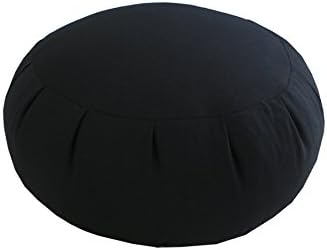
Set up your meditation cushion next to your journaling spot. After 10 minutes of sitting, transition directly to writing while the stillness is fresh. You’ll be amazed at what surfaces.
Explore more mindfulness tools in our Mind wellness collection.